The Studio:
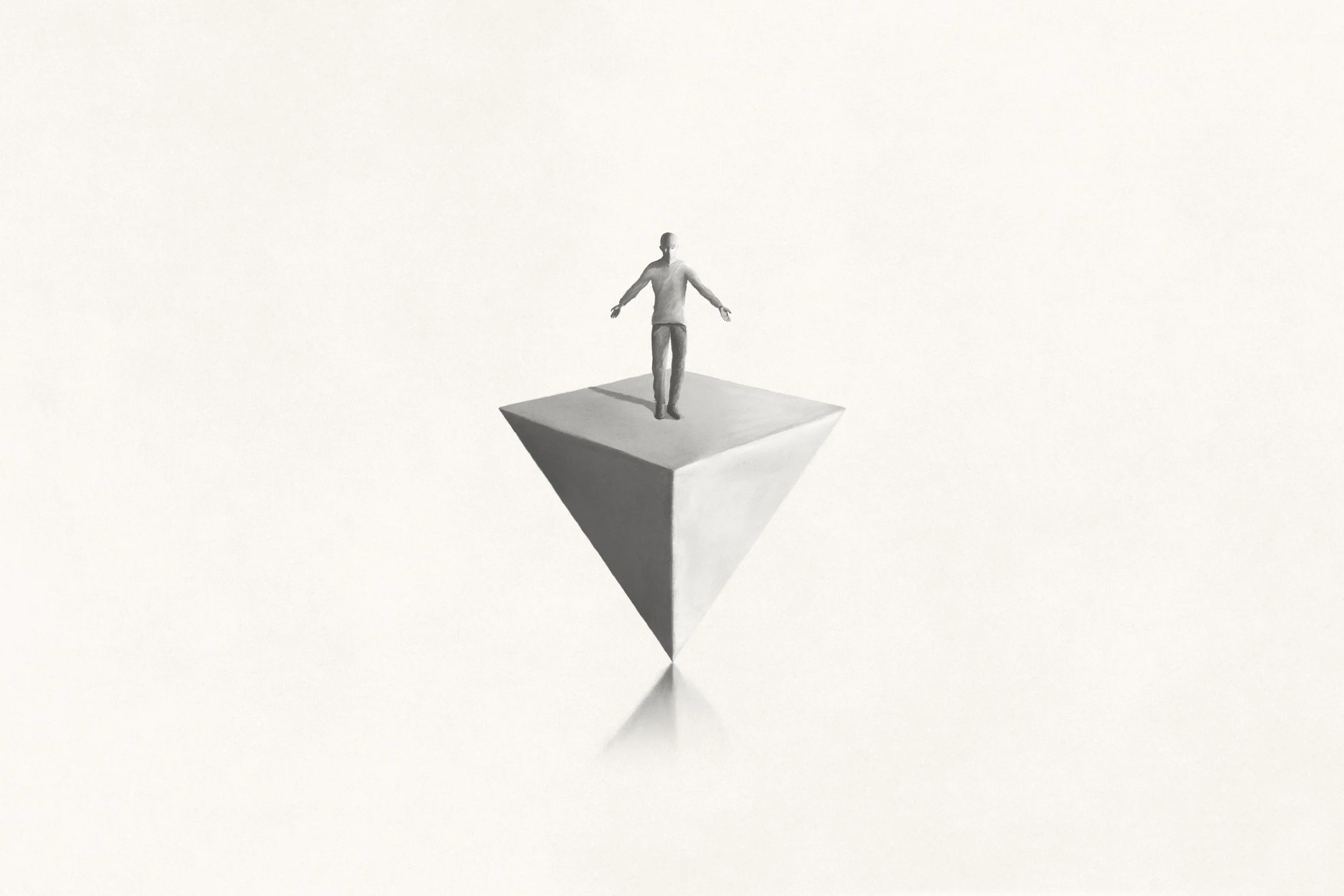
Every problem has an architecture
We stay with healthcare’s hardest problems long enough to understand what keeps producing them. Then we work with you to imagine what could work differently.
What kind of world keeps producing this problem?
Healthcare keeps adding better signals: another protocol, another metric, another intervention. Yet the same problems keep resurfacing because they are often built into how the system is arranged.
Stay with a problem long enough and it begins to reveal the architecture beneath it: the relationships, assumptions and contexts that shape what happens. What first appears to be a problem to fix becomes a way of seeing the system differently.
Think about a traffic intersection.
One obvious problem is that people don't always stop at red lights. So we respond with bigger lights, more signs, cameras, enforcement and penalties. Better signals in the hope of producing better behaviour.
But what if we looked at the problem differently? The possibility of running a red light is built into an arrangement that organizes movement around stopping and going.
A roundabout creates a different arrangement. It isn't rule-free. But instead of relying on everyone stopping and waiting for permission to move, it asks people to pay attention to one another, negotiate their entry and adjust their movement in relation to what's happening around them.
Same traffic. Different architecture. Different possibilities.
A thought experiment
Problems are easy to name and hard to change. Perhaps those are connected.
Look from other angles. What becomes visible when we approach the problem through different disciplines, experiences and ways of thinking?
Listen to the people inside it. Patients, caregivers, clinicians and decision-makers. What do they experience, what do they see, and what might their different perspectives reveal?
Widen the field. What else is shaping the problem? What relationships, assumptions and conditions are keeping it in place? Where is the friction, and where might there be room for change?
How The Studio works
We begin by understanding the problem
Then we ask what else is possible
Once we begin to see how the system works, we can start to imagine how it might work differently.
Rearrange the elements. What new relationships, forms of care and ways of participating become possible when we change how things relate to one another?
Create the conditions for something new. How might we make room for different ways of working, relating and responding to one another?
Build for change. We don't design a system once and expect it to last forever. We help create the capacity to sense, respond, learn and keep adapting.
Turning Friction into Seams
We don't bring the change. We create the conditions for people to see, imagine and weave new worlds together.
Problems often divide people, organizations and communities, disrupting the very relationships needed to understand and address them.
We see friction differently: not as something to eliminate, but as a place to look more closely. What keeps things apart can reveal overlooked relationships and new possibilities for bringing them together differently.
Our approach combines two complementary capabilities:
1) Methodological Fluency
We draw on diverse disciplines, methods and ways of knowing to make visible the relationships, assumptions and conditions shaping a problem. We choose methods not only for what they reveal, but for what they make possible.
2) Participatory Intelligence
We bring together the people closest to a problem—not simply to consult them, but to understand how they experience and shape it. Their collective perspectives reveal patterns and possibilities that no single viewpoint could uncover.
Problem Architects & Solution Designers
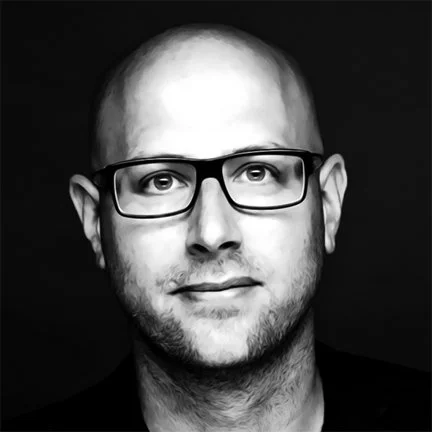
Mark Stolow / For 25 years, I've worked at the intersection of healthcare, human experience and complex systems. As a problem architect and creative solution designer, I challenge how problems are framed, uncover the dynamics that sustain them, and help imagine new possibilities. My work is about creating pathways forward by revealing possibilities that weren't visible before.
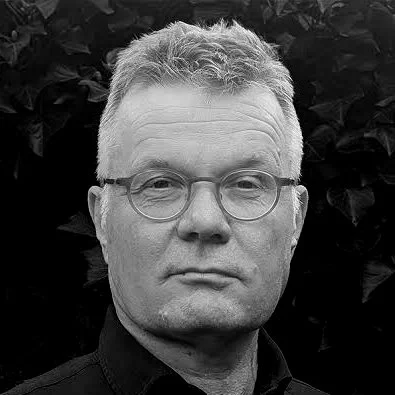
Arno Terra / I am change management expert and narrative researcher working on organizational issues in healthcare and the social domain.
What changes through our work?
◉ Active intelligence
Organizations become better at noticing what is changing, recognizing emerging patterns and responding before problems become entrenched. Rather than prescribing answers, we help develop the capacity to keep learning and adapting.
◉ Collective intelligence
People begin to see what no one could see alone. By bringing different experiences and perspectives into conversation, we surface overlooked insights and create possibilities that wouldn't otherwise emerge.
◉ Reflexive intelligence
We begin to recognize how our own assumptions, habits, roles and decisions contribute to the problems we're trying to solve. Seeing our part in the system creates room to do things differently.
◉ Practical intelligence
Insight matters when it changes what we do. We help people experiment with new possibilities, learn from what happens and translate emerging understanding into meaningful action.
Real-world problems we’re exploring
-
Access to Treatment
Getting a medicine approved doesn't mean people will receive it. Between regulatory approval and everyday care, a medicine passes through a series of interconnected systems. Payers assess costs and value. Clinicians make treatment decisions. Patients and families navigate appointments, services, costs and the practical demands of receiving care.
Each part has its own responsibilities, processes and measures of success. Yet the conditions that determine whether someone actually receives treatment often sit between them.
We are bringing people together to explore what happens in those spaces between systems, and how reimbursement decisions, care pathways and the experiences of patients and families might be better connected.
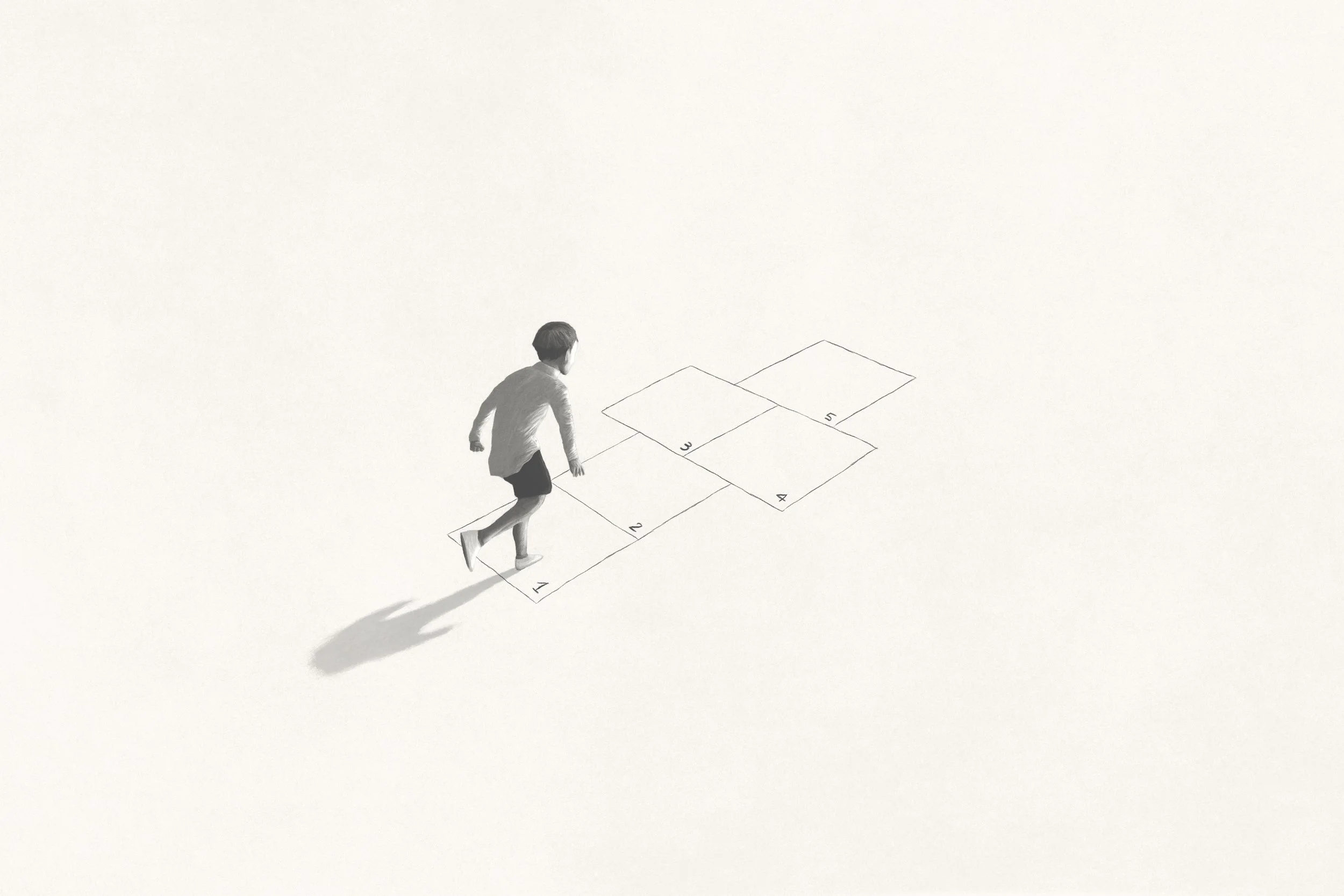
-
Communication in Healthcare
Much of the communication between patients, families and healthcare professionals is organized around specific goals, established roles and the immediate demands of care. Important as these conversations are, they don't always leave room for people to share the experiences and perspectives that might help us understand one another more fully.
What might happen if we created space for a different kind of conversation? One that isn't primarily about gathering information, resolving an issue or reaching a decision, but about listening to the stories people don't usually get to tell.
We are exploring what becomes possible when people meet one another with curiosity rather than simply through the roles they occupy. What might they discover about each other? And what could those discoveries reveal about new possibilities for communication and care?
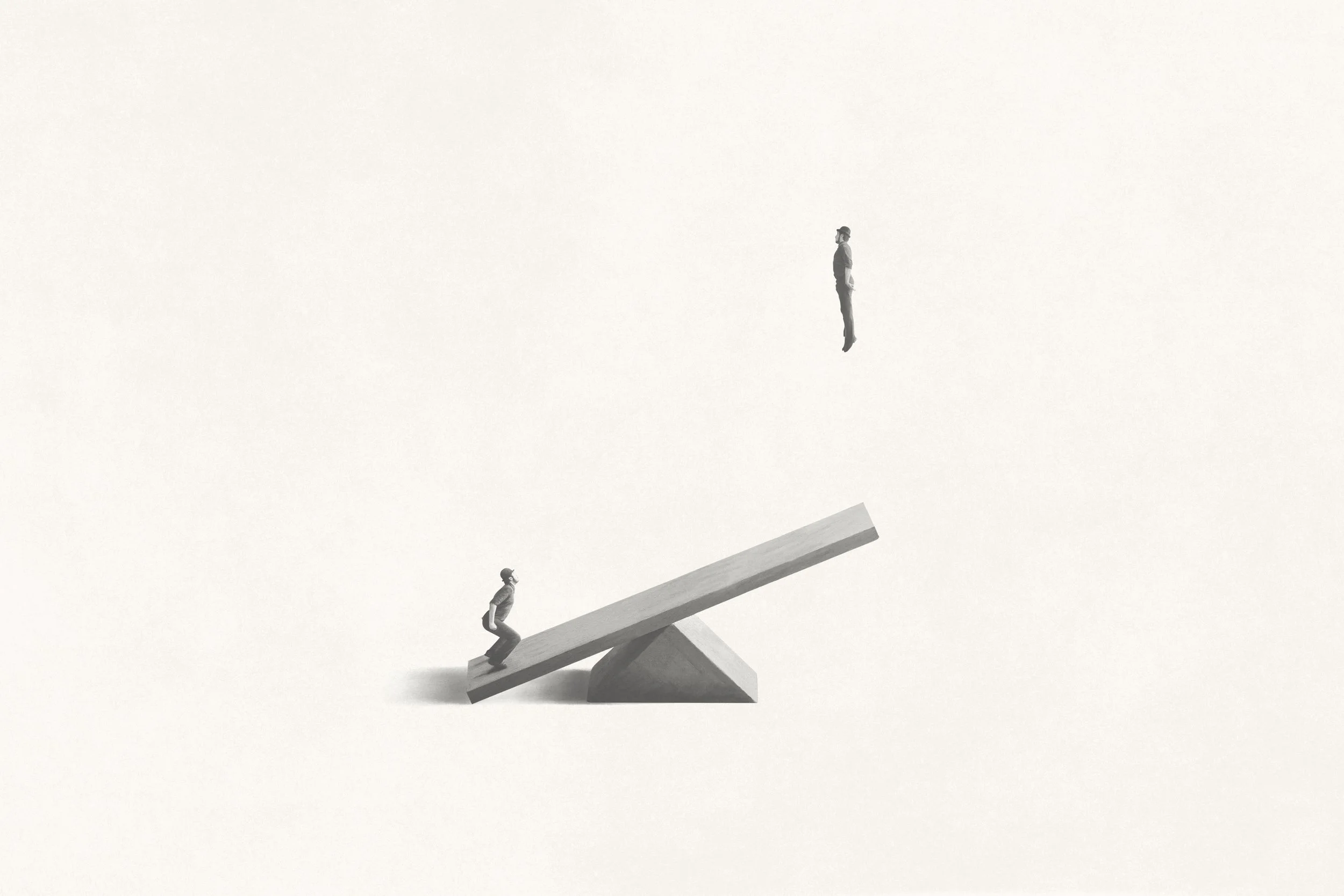
-
Moral Distress
Healthcare professionals experiencing moral distress often know what a person needs and what good care should look like, but find themselves constrained by the systems in which they work. They see the gap between what they believe is right and what the conditions around them allow them to do.
We tend to focus on the consequences: exhaustion, disengagement, absenteeism and people leaving the profession. But what if these are signals of something happening further upstream? What are the conditions, relationships and assumptions that repeatedly put people in these positions?
We're bringing people together to explore what produces moral distress, what keeps it in place, and what might become possible when we address the conditions that give rise to it rather than simply managing its consequences.